Planning & Beyond® - Where financial planning meets human understanding
Planning & Beyond® is for financial advisors who want to go beyond the numbers and build deeper, more trusted client relationships.
Hosted by Ashley Quamme, a licensed therapist and financial behavior specialist, this podcast helps advisors better understand the psychology, emotions, and behaviors that shape client conversations.
Each episode offers practical strategies you can apply in discovery meetings, prospect conversations, difficult money discussions, and major life transition planning. Through conversations with experts in behavioral finance, financial psychology, and financial therapy, Ashley explores how advisors can strengthen communication, navigate emotional moments, build trust, and support clients with more confidence.
If you want to improve the way you connect with clients, ask better questions, and bring more empathy and clarity into your planning process, Planning & Beyond® will help you sharpen the human side of your advisory work.
Topics include:
- Mastering discovery and prospect meetings
- Navigating difficult money conversations
- Understanding client psychology
- Building trust and deepening client relationships
- Managing emotional client situations
- Improving advisor-client communication
- Applying behavioral finance strategies
- Supporting clients through life transitions
New episodes release weekly. Subscribe for practical conversations on the human side of financial planning.
Learn more at Beyond the Plan.
Planning & Beyond® - Where financial planning meets human understanding
7. Insights for Navigating the Retirement Rebel Revolution with Dan Haylett
Use Left/Right to seek, Home/End to jump to start or end. Hold shift to jump forward or backward.
Text us to share what you found helpful!
In this episode of Planning and Beyond, we sit down with Dan Haylett, a trailblazer in the world of retirement planning. Together we explore the emotional difficulties of modern day retirement and how advisors can support their clients in being what Dan calls a "retirement rebel.” Dan shares his innovative approaches to helping first-generation retirement rebels, including supporting couples. This episode is a must-listen for financial advisors looking for skills in navigating the emotional challenges that come with planning for pre-retiree and retiree couples.
Connect with us below!
- Dan Haylett on LinkedIn
- TFP Financial Planning
- Ashley Quamme on LinkedIn
- Visit Planning & Beyond
If we can put them in touch and go, by the way, just to let you know that Neil's been something through something very similar to you a couple of years ago, I'm sure you'd benefit from a conversation with him directly from him. Like the ability for us to connect people, we don't have to have the answers, right? We don't have to go, oh, by the way, this. Just connect them and let them have a conversation.
SPEAKER_02Welcome to Planning and Beyond, the podcast where financial advising meets the art of meaningful conversations. I'm your host, Ashley Kwame. As a certified financial behavior specialist and a passionate advocate for personal growth, I'm here to help you elevate your practice and deepen your connections with clients. In each episode, we dive into the intersection of psychology, therapy, and financial advising. You'll discover practical strategies, insightful stories, and expert interviews that will empower you to not only excel in your profession, but also thrive in your personal life. Together, we'll explore the human side of financial planning, from understanding client emotions to mastering the nuances of effective communication. We'll also focus on your own growth because the best advisors are those who are continually evolving. Get ready to transform your practice and yourself. This is Planning and Beyond. Welcome to the Planning and Beyond Podcast. I am your host, Ashley Kwame. I am joined today by my friend from across the pond, none other than Dan Halett. Dan, how are you?
SPEAKER_01Hey, Ashley, I'm very well. Thank you for having me on. Cannot wait to dive into a conversation. We've had we've had some wonderful conversations, both virtually and in person. So I've got no doubt this is going to be as amazing as those.
SPEAKER_02Yeah, no doubt. Maybe just as fun, although I'm aware of the fact that they're my counterpart, Clayton, is not here. And he is sometimes part of what makes those conversations so fun. So hopefully I'm not the boring spouse between he and I is my hope secretly. Hopefully, you have more fun hanging out with me than you do him.
SPEAKER_01As long as we can talk about golf, then we're all right. Is that what this is about?
SPEAKER_02Yeah. You know what? Maybe I should have a golf edition. I'm really good at golf shopping and driving the golf show. So am I. But actually playing my skills are quite lacking. So yeah, no. Look, we can talk about golf and make golf analogies and metaphors all day long if you want. I'm happy to do that. But let's make them focused maybe more on what we're here to talk about, which is actually ironically, retirement. Golf and retirement seems to kind of go hand in hand from everything that I hear at least. But today, what I want for you and I to talk about, and I know we were chatting just before we hit record here. Today, what we're going to be talking about is retirement, maybe from high level. I know you and I will dive in kind of deep, but why is retirement so difficult for clients, not from a numbers standpoint, but why is there maybe this emotional shock around retirements? What is it, Dan? You know, you're on the advisor side. I'm more on the mental health, financial behavior side. So I thought there's no better person to talk about retirement than you. So I'm pumped to be here with you and do this. So let's start high-level. What is it that you see as an advisor on your side that makes retirement difficult for your clients as they're transitioning? What are the things that you see?
SPEAKER_01It's interesting that you said that we know it's not a numbers thing that makes this difficult. We we we know retirement's very much a human problem, not necessarily a maths problem. And I've said that quite a lot. But I do think the numbers are actually part of the problem in that people just simply haven't explored the emotional side, the human side of retirement, and we get into what what all that means, but because they have focused on the numbers, because they have been told and they have seen and through financial press and through their friends and through their family that it's viewed as a numbers game, viewed as a maths problem, and so much focus has been on the numbers, and so much focus has been on the present moment. So they're working, they're doing their thing, and they're focused on the numbers that they just don't give themselves the space to understand how emotionally terrifying the transition from working full-time to this other thing is, and they don't spend anywhere near enough time thinking about what it looks like, what the next phase of life looks like, how that impacts their spouse, how that impacts their children, how it impacts their health, how it impacts so everything that we know, because the numbers just dominate, this is a an enough problem. Have I got enough to go and do the things I want to do? Well, until I know, until you know the things you want to do, you can't answer the numbers question. And we've got it all back to the number of things.
SPEAKER_02That's a free point.
SPEAKER_01And I think that's that's where people go wrong. They just focus on this. I need this number here, and when I get there, I'll figure it out. But we know that when they get there, they're too late figuring it out. And actually, when they get there, they're going to keep going because the study suggests that it's never enough, right? When someone says how much is enough, they always kind of say double what they've got. So they've started in the wrong place. And so I think what then happens is that it becomes it becomes ever more emotionally terrifying. So it sounds really catastrophized, but it becomes even more harder because it becomes shorter. The window of planning becomes shorter and more intense and more, more emotional because they're now going, oh my god, I've got all these things I've got to do, and I've got six months to figure it out, and I don't know what I'm doing here because I've had my notice in and or I've been made redundant or I haven't planned it, etc. And we know that you need a good two, three, four years of of a runway leading up to this thing to enable you to really figure what figure out what this looks like.
SPEAKER_02Yeah, I find that so many clients, you know, there's almost this roadmap of life up until retirement. We know what that looks like, right? You go through your adolescence, maybe schooling age, and then you enter into adulthood, and there's this long period of knowing what that looks like, right? It's working for most people, right? Raising kids, maybe working, but we know what that looks like. And that's the case for most people, right? You get up, you go to work, you earn income. And so there's this map, right, that tells us kind of what to do. And what for retirement, right? Once we reach that, I think that there are just endless possibilities, too, of what that could be like. And it's different for every person. What works for you may not work for me. And so sometimes when we have too much choice, that can also be overwhelming and contribute sometimes to that emotionally terrifying experience. I was meeting with a client earlier this week, actually for one of the firms that I work for, and she said something that was just, I think just the way she said it, it just hit me. And you've probably heard this from your clients before too, but we were talking about preparing her for retirement. When? Like the literally, like when should she drop her notice and retire? And she said, I'm so thankful to have somebody to talk to about this because nobody teaches you how to do this. I've never been taught. I don't know how to do this. And obviously, talking with your financial advisor or a financial behavior officer like myself, like these are the conversations and the value add that, you know, advisors can be bringing to their clients because it's so true. Like nobody teaches you how to do this. There is that focus on the numbers side. And I think there's a lot of just missed opportunity there for helping clients, but also for helping them to go on and live a really a fulfilling life from the things that matter at least, right? Not the numbers, but more the well-being aspect.
SPEAKER_01One thing I want to pick up, which I think you you said is really important, is that no one's ever done this before, right? Uniquely you, you've probably got one shot. Maybe some people kind of do some mini retirements or they try and do like a pre-retirement where they kind of start. But but ultimately you've got kind of one shot at this. And on top of that, and I've been speaking about this a hell of a lot more with clients and and just out in the wider public. We are now dealing with what I think are first generation retirement rebels, as I've kind of called them. And that is that people retiring now are retiring in a way that no one has ever retired like before. They don't have anyone to look up to necessarily. They can't look at their parents or their grandparents and retire like them because the way that they're retiring, what's available to them as a pension and an asset base is totally different. Their outlook on life is totally different. The world is a much smaller place and therefore they want to see it. There's more, I think there's more aspiration. There's more wealth available to people now, so there's more aspiration. They're not retiring on a defined benefit pension with a set amount of income. They've got this pot of money that they can they've got access to, which by the way, has opportunities and huge amounts of emotional challenges with this thing that keeps going up and down all the time. And can I use it? Can I not use it? Can I spend it? So there's what we as financial advisors and planners have the ability is to bring our knowledge of working with hundreds of other people like this. Like nowhere can can our clients now and our potential clients tap into anybody that has the knowledge that we have of working with other people that are going through the same thing. They can't go to their parents. Their friends are very different to them. There is no real, you know, the research around what this modern day retirement looks like is about 10 or 15 years old. The data coming out about how people spend their money, what spending looks like over a, you know, a 20, 30 year time horizon, the way that people behave in their retirements. This is just 10, 15, 20 years old now because it's totally different. So I think that knowledge that we have is so important because they're running into this blind and they know they are. They're like, oh my god, I don't know what to do. I've got this pot of money, I've got these aspirations, I don't want to wait till I'm 70. I kind of know this whole kind of window of opportunity thing. I've I've heard about that and I want to take advantage of it. Can I retire early? Can I go and do these things? Will my money last me? I'm probably gonna live longer than my parents. That causes problems. There's no income coming in, but I've got to do it all myself. Like, no wonder it's a huge mess for them. And we are in such an ideal position to tell stories and kind of give across our experiences of working with people like them and sharing those and bringing those communities together, and it's so valuable, so valuable.
SPEAKER_02Yeah, absolutely. I love your tagline, the the be a rebel. Say it again for me, what you said earlier.
SPEAKER_01So they're first first generation retirement rebels.
SPEAKER_02There we go.
SPEAKER_01And that's kind of because they're not like these people don't like the word retirement, right? It doesn't mean anything to them. When I ask a question of all my clients, I say to them, what have you observed in family or friends that you don't want your retirement to be like? And they all say the things of what a traditional retirement. I don't want to be like nailed down to a chair because I because I've got no flexibility. I don't want to get old before my time, so I want to be more active. And all of these things is kind of like they're actually saying the opposite to what their parents and their grandparents probably retired like. And so they don't like the notion of retirement. They want to, they see this as kind of the next phase of life. They're they're they're rebellious towards what retirement actually is, and they want to go and enjoy life and uncover per uh new purposes and passions and and go back to old things that they kind of got suppressed with through through work and and and everything. And they want to go and revisit these and they want to spend some money on it, but they're really unsure whether they can do it. And I think that being unsure creates that real challenge mentally for people. It's I've got these dreams, I've got these aspirations, but if I feel like I can't do them, if I feel uncertain about them, if I feel anxious about them, then what the hell was all that work for? I've worked for 30 years to save this thing, and what was it all for? And I can see why people get really down. I can see why people kind of end up and you you mentioned the choice thing. P that if you've got the opportunity, you won't do anything, will you? If part of your choice is I don't know what I'm doing, and it comes with some trepidation, human beings will run from the bushes that are still rustling because we're not going to find out whether the thing's gonna eat us or not. So we'll just run away from the problem and run away from fear and not do anything. And I think that that's kind of I think there's a big, there is a big crisis when it comes to these retirements going forward because not enough people are searching out people like us to give our expertise and opinion on this.
SPEAKER_02Absolutely. I was reading some research in preparation just kind of for our talk, and I'm curious your thoughts in terms of what you see. But, you know, some of the research that I was reading talked about one in three retirees feel depressed in retirement, which actually the interesting thing there, Dan, is that that's higher than the general population of like working, the working kind of population. And everything that we've been talking about here, the overwhelm, the emotional shock, not knowing how to do it, the choice, being kind of these retirement rebels, all of that then starts to make sense of why someone would feel down, right? As you said earlier. And maybe it is experiencing depression, maybe it's clinical level, or maybe it's just more mild or moderate. But having an advisor, and the thing that I want advisors to know is that this is where you can come in and not only just being aware and having that awareness of, oh, maybe some of my clients might be feeling that, but there's a lot of just impact that you can have in just opening the door to have conversations that aren't just about the numbers, that are about their life and their well-being.
SPEAKER_01And I think just listening and being curious, our clients will open that door and walk straight through it for us. I mean, I have never had to try that hard. Like I'm, I mean, I'm I'm not trained like you are, and I'm not, I haven't been through the level of training that you have. So I'm not as good as that. But all I do know is that I'm curious and I really like to listen to other people. And genuinely, you don't have to try hard because people are people are coming to us with some problems and issues that are both financial and human, and they are very willing to let them out because they don't talk about it to anyone else. They don't even talk about it to each other. And me, you and I had this conversation on my podcast about how couples just simply, after many years of marriage, I sit in front of them and they have conversations with each other about money and life that they've never had before. And they just because it's a bit taboo, they don't talk about it. We don't talk about our money to our friends, we don't talk about our money to our family, we don't talk about our financial life. And people are are really wanting to open up because they know they've got to let this this out in order to move forward, they just don't know where. Honestly, I've never had to push that hard to get that information from people.
SPEAKER_02I think you're gifted though, in in a lot of ways. You probably don't give yourself enough credit. So that's just me to you, as a friend. I think that you're very gifted in that way of having conversations. Uh and you're you're you're welcome. So I know that you said you don't have to try very hard. But I would imagine though, Dan, that there are some things that you're very conscious of and aware of when you're having these conversations. Let's maybe talk a little bit about what are some things that advisors, general kind of advisors, what are some things that they can be doing? What are things that you do that have led to some of these successful conversations?
SPEAKER_01Yeah, I think there's a couple of things that actually one of the things comes back to the couples. And so I'm very, very aware that when I sit down in front of a couple, one of them has not had a voice in this as much as the other. Okay. I'm very aware that that's the case. And without stereotyping everything here, it's typically the female has not had the same voice or opinion, or actually been interested, and I've actually been very happy to let said husband or or whatever to go do this. But one of the things I found really transformational in these retirement transition conversations is to ensure that the very first voice heard is the non-dominant spouse, and to make sure that that voice is not interrupted and has has got the airtime that is required. And it it goes, it does happen a lot where the dominant spouse will jump in, and those conversations are transformational for the couple. Absolutely transformational. And I I've not done it, I've not, I've not really kind of done it. I'm just facilitating and making sure that the dominant spouse doesn't overlay their view or anything on this. Just get that, you you get that out. So I think that's one tip for me. I think, and and it can be quite challenging, and it takes a a little bit of doing because you do have to be, you know, you do have to show some authority in that situation. You do have to make sure you set the scene really well. And these are the this is the reason why I'm doing it, and that that's why you're going first, and you'll have your airtime, and and you do have to kind of feel like you're you get across the importance of this. But it really is amazingly transformational for those people. And so I think that's if you work with couples, which the vast majority of us will do unless there's certain circumstances, please give the non-dominant spouse more airtime within the first meeting, if not first couple of meetings, than you typically make them feel part of it. Make sure you're focusing on them, there's eye contact, you're saying them by name, you're not just focusing and talking about numbers and investments on this side, you're bringing this in over here. And I think it's that is a big tip.
SPEAKER_02So for retirement, when it comes to those like pre-like thinking about pre-retirees, you mentioned earlier, use the word runway, having enough runway. So, some of my thoughts when it comes to the question of when do we start talking about retirement? Not from a numbers place, from maybe a vision place. When do we start talking about this? I don't know your thoughts. My thoughts are at least four to five years before we should be starting these conversations to talk about it. And your approach with couples, can I just say that's brilliant? It's like I'm feeling like a proud friend, like, you know, approaching the non-dominant spouse, giving that airtime, the interrupting, like all of that I think is brilliant. And how I would encourage advisors and how I've encouraged my supervisees clinically. You gave such fantastic information there. And I I didn't want to skip over that because I thought it was amazing. But from a runway standpoint, what are your thoughts just on how much runway do you like to have and talking about that transition of moving into retirement?
SPEAKER_01Yeah, I think there's an there's an ideal runway and a runway that every client will give us. They're two different things, right? So every client will probably come to us too late. That's kind of the reality. In an ideal world, I'd love five years. I'd love five years to kind of really work this thing through and so they understand what they're retiring to, and they've had really great conversations with their spouse, with their family. So that would be ideal. Most people will come to us with 12 months, two years before they're thinking about this. And I think it's still okay if they're prepared to roll their sleeves up and do some hard thinking and some thought-provoking thinking. But yeah, I think if you if you for me, if you if you am I I I kind of imagine the heavy lifting that you can that you do up front in this, and there is so much work to do with people. And the trouble with it is it you do kind of one exercise or you have one meeting and that leads to another question, which leads to another thing, which leads to another thing, and then circumstances change, and that means there and that. So the the runway needs to have some adequate time and space to figure out and also I think the other thing, it needs to have a bit of grace involved in it as well. I think w one of the things I I find challenging for people is they don't give themselves space. To absorb and think about what this looks like. So they're on the runway and they're just about, I kind of feel about you. If we're using the airplane now, I want to get I want them when they're on the taxi runway, like when they're taxiing up to. Most people get to the runway when the plane's just turned and ready to go full throttle off, right? So I want them on the taxi bit so I can kind of get them in a position that they know when they get to takeoff that the things are in place. And I think the trouble is when it's when you're at like that escape velocity thing, when you're at that takeoff, everything feels a bit rushed. Everything feels a bit too kind of quick. It's like I'm not sure whether the answers to the questions are as thought out as they could be, because actually it's not the first answer, it's probably the fourth answer after they've gone away and thought about it a couple of times and really absorb what it means. So the best retirements I've seen, the ones where they retire once and they retire amazingly and they retire to something and they hit the ground like running, are the ones where you've got them on the taxi runway. You're kind of really dropping these things in subtly and slowly. Because I think, as we've said, we know this is a human problem. We know it's a really emotional problem. But if you deal with emotions, in my my opinion, anyway, I don't this is not coming from any theory, but if you deal with emotions too quickly and too hastily and too punchy, I'm not sure whether it it deals with them properly. You kind of delay reactions a little bit. So they might retire and then all of a sudden it'd be like, oh, I know I said that, but this is kind of coming in now. So in an ideal world, that that's how I would start to think about it.
SPEAKER_02Yeah, I love I love living in the ideal world as a as a practitioner, right? I think we all we all would. And you said something earlier that made me think about like the importance of understanding that retirement, it's like a living document almost, right? Like it's gonna change and there has to be permission there for it to change. And one of the things I think advisors can do is really speak overtly to that. Hey, this plan that we're about to, you know, lay out, if this is kind of what you're thinking here initially, this is wonderful, this is great, and it is okay if in two to three years you want to change it. That is okay, right? I think sometimes clients, and maybe not just clients, I think this is just humans in general, whatever decision they've made, there's this feeling that they have to, they have to go forward with it and they have to stick to that, right? And sometimes we don't give ourselves that permission that it's okay to change and evolve. And the way that we think or feel or take action around things, if we change our mind, that is all right. And so you talked about clients coming in with maybe very little runway, right? And there's this rushed sense. I know sometimes slowing clients down that can be, I would imagine, pretty tricky. But I think then that role for the advisor is just to have that conversation of saying it's okay, like if things change, I'm open to that. We will, we will explore that. Have you had those clients that kind of make those? I know I've had clients that make changes, right? I think we've talked about before, but have you had clients like make kind of those changes after a few years and kind of go back to or doing something different?
SPEAKER_01Every client. I think the question is, have I not had a client that's done that right? Have I ever had a client that's stuck to their plan and the plans worked? No. I think it's really important what you said actually. The point of if you get someone and we work with them over a kind of a 12-month period and get them retired, that the narrative is slightly different. It's like, oh, by the way, this is great. We've created the thing, but we're gonna go through some after you've retired, there's gonna be other conversations and other changes that will happen because we've not given ourselves enough time and space to get there. You're there, you're good, you know you're good. We're working on this, but things will change. But every client I've had, and just a little thing, if people listening haven't read Annie Duke's book, Quit, go and get it. Have you read that?
SPEAKER_02I it is on in my Amazon cart of like wish list books. So yeah, someone mentioned that a few months ago to me. So it's definitely on my list. What is it that you appreciate about that that's you think it's been helpful for you?
SPEAKER_01Well, I mean, it basically just spoke to what you just said. It's it kind of just saying to people, look, do you know, some of the best people in the world are the people that quit things that seem to be really good. Or people that know just because you're on this path doesn't mean you stick to it. It's about understanding when to quit, understanding what quitting isn't, i.e., quitting isn't failure, it's learning and moving forward. And she she mentions the very famous stuff about, and I can't remember that, but you know, the people that climbed Everest and a couple of people turned back, you know, the very famous story, they quit. And actually, the people that turned back and quit were the very unexperienced people. The most experienced people that had all the knowledge are the ones that carried on and died up Everest, right? It's kind of the trouble is when you have experience and you have knowledge, it can be really dangerous because you don't feel like you can be humble enough to go, I don't think this is it, that we're not in the right direction here. And so again, I think you think about advisors and and clients, us as advisors need to be humble enough to understand that maybe we need to change direction here. Maybe what we planned for originally for you guys isn't going to quite work because new information has entered. Once new information enters, have a little think. Are we on the right track? And then clients can have the same thing. When one new when new information enters, Mr. Client, let's have a talk and have a conversation. You said about clients, Ashley. I think one of the things, me and you love stories, right? We believe that storytelling is like human beings are storytellers, and we love hearing stories. One of the greatest things that we can do as advisors is tell stories. Real stories, don't make them up. Real stories about real clients. And so I try and tell stories. I have got, I've got three or four go-tos, but I've got many other stories I tell of clients that had this thing, this is what they were going to do within three months, within six months, the thing changed, they went and done something else. I've got multiple, I've got this, I've got one client, Neil and Mandy, lovely couple, retired. They had Irish wolfhounds, you know, the very big Irish Wolfhound dogs. And they used to show them, and some of their Irish wolfhounds had been in films and movies.
SPEAKER_02Oh, wow.
SPEAKER_01They had six of them. I remember going around their house to have a meeting. It was like being greeted by six dinosaurs. These things were huge. They're just like massive dogs. Um, anyway, they loved their Irish wolfhounds, but they were going to retire and do something to do with they had a big big love of football, soccer, and they were um high up in kind of local authorities, and they were going to do some stuff at a local semi-professional club and help run that club and do administration. Within six months, that whole thing had changed. It wasn't working out, and within nine months, they had their first litter of Irish Wolfhound puppies and started breeding them. And so, like they they went from this thing over here to, oh, actually, we think we want to up the gene pool of Irish wolfhounds and breed them. And now we've got a plan to breed some more. And then they extended their garden to, you know, so what they they never had that in their plan, extended their garden to build the thing so they could have more Irish wolfhounds for a shorter period of time. And within a year, you it was unrecognizable, uncompletely unrecognizable. And so it's just about knowing that these things are just wrong, and you have conversations and and that. So, yeah, those stories I think have such an impact because they go, ah, okay. So that happens, that could happen to me. And by the way, your experience in dealing with that change, yeah, yeah, yeah. Okay, we're in good hands. Great. Let's just you you just look forward and we deal with stuff when it happens.
SPEAKER_02I think one of the great things about telling clients stories like that, where they can relate, is that it just normalizes the human experience and it it gives them a connection point to go, oh, okay, that's possible and that's okay. And if that happens for me, that's great, right? It just stories really can normalize just the human experience and maybe even give clients that permission to be able to change their mind because it's going to happen who we were yesterday, five years ago, 10, 20, however, we're not the same people. I hope, right? I hope we're not. And that's a good thing. But when it comes to this retirement chapter, I think sometimes there's just this pressure of like, I gotta know and I gotta do it this way, and it's gotta look like that. And while I do understand that pressure, not experientially, I'm not there yet, but I understand the type of pressure that it can put. As you said, like having advisors be able to go, hey, maybe we need to change course here and what you thought. Like I'm hearing that actually maybe there's something a little bit more desirable here, like breeding dogs. And I want you to know that that's okay if we change directions.
SPEAKER_01And also another thing I think that has happened for us that's been amazing, and and I would encourage anybody to do this. So I've mentioned Neil and Mandy. They have spoken to potential clients and existing clients as well. So if we can not only tell the story, but just say to a potential new client or an existing client, oh, by the way, Neil's been through something, Mandy's been through something. Do you want to give them a call and they'll have a talk with you? I think that ability to connect in with other people is so important. We we as financial advisors and planners have a community of wonderful people. Otherwise, we wouldn't be working. I mean, the vast majority I know have some pretty stringent standards about who they want to work with, right? So they're not going to just gonna take on people that are gonna cause them issues. And if they do cause them issues, they don't work with them for much. So, in general, we have a lovely group of people that love what we do and are more than open to have conversations with other clients if they're having some issues or with prospective clients. If we can put them in touch and go, by the way, just to let you know that Neil's been something through something very similar to you a couple of years ago, I'm sure you'd benefit from a conversation with him directly from him. Like the ability for us to connect people, we don't have to have the answers, right? We don't have to go, oh, by the way, this. Just connect them and let them have a conversation. And you know the best coaching is allowing people to figure stuff out for themselves, right? So have the conversation, figure it out.
SPEAKER_02I love that you do that. That I have not explicitly heard that, but like, but it makes sense to me in a way that I just think is so valuable, it could be so valuable. I love that you do that.
SPEAKER_01Yeah, it's been such a valuable thing for us to, and actually, what people still talk about, we have kind of annual client things, but we've done one about four years ago. And people still talk about this client dinner that we put on because it was one of the first ones we'd done with kind of new group of people. The business was in a slightly different shape and as it is now. And they made friends and acquaintances that had similar scenarios, and these people have stayed in touch and they've kind of shared their challenges with one another, and they've helped each other out with some of the challenges, and people still talk about that now. And I think that that was a catalyst for that kind of thing. It's like, well, actually, you can hear the story from me, but go to Andy, go to Neil, go to Rob, go to Helen, go to Mandy. That they can talk about this stuff and you can share your experiences.
SPEAKER_02Community is such a powerful antidote, really, for depression, for burnout, for so many things. And so when I think about the mental health aspect of retirees, having community, connecting your clients to one another, building and creating just that sense there. Like, what an amazing experience and gift to really be able to give them, right? And I think it's beautiful. I love hearing that that you do that. I hope that is gonna kind of transition us into like some takeaways here. But I think my takeaway from this is create community for your clients. I hope every advisor is really hearing that of just how amazing that can be, not only just for you, but you know, for your clients as well. That would be my one thing. I'm gonna ask you, Dan. What's your one thing that you would encourage advisors to go out and do when it comes to understanding retirement, helping your clients through retirement? I just said mine, create community.
SPEAKER_01We have to understand there is no certainty. You you mentioned there's no certainty to this retirement pathway. We have to be guides, critical, trusted advisors, and we have to kind of feel like we the way that I approach this is that I approach it in a way that I don't have the answer. And if I don't ever feel like I've got the answer, I'm always going to explore and try and be curious. And if I feel like I've got the answer and I'm portraying that answer onto somebody, I know that answer's wrong. So I think one thing I will try and say, and it's a it's taken me a good few years to get in this space. But if you can live in a world of uncertainty and trepidation, it's fun, but meant sometimes quite draining. But if you can kind of live in that world and go, do you know what? Don't know the answer, but I'll tell you what, we'll figure it out, and we'll figure it out for you. And one thing, just I know I'm gonna wrap it on, but the one thing I will actually one of the biggest takeaways is on this is that that comes with simplicity. Figure out simplicity, figure out what the what your clients' simplest foundational things are, and always take them back to that. Figure out the simplest way to be able to work and communicate with them because they don't want complexity. They're trying to get rid of the complexity and they don't want someone to add more on top of it. Um and when we talk about spending money and we talk about experiences, do not keep encouraging your clients to go and spend loads of money on things they don't want to do because it has the reverse effect on them. Figure out what's most important to them, figure out what they want, and give them the confidence that they can always do that no matter what, and just strip everything back from there. It is that that would be my biggest, my biggest.
SPEAKER_02I think that is gold. Don't make it complex, simplify it. I think you're right, Dan. Clients want simplicity. That's why they come, that's why they're coming to you. So I love all of that. All right, my friend, you are out in the world doing fantastic work. Fantastic work. Can you share with us a little bit? Where can people find you? What all are you doing? Where can they learn more about being a rebel in retirement?
SPEAKER_01Yeah. So unfortunately, you can't connect with me on LinkedIn anymore because I've got my account hacked and had to get it shut down. And LinkedIn are almost refusing to put it back up for some reason. I don't know whether it's because I've grown my beard out and they're not quite figuring out who I am. But so LinkedIn's off the, I'm trying to get it back. I've got so much work on LinkedIn as well. Anyway, um, the best place to go is humans versus retirement.com. So that's humans vsretirement.com. I've got the podcast that my favorite guest who's sitting here with me now was on. Um but I've got my podcast, Humans versus Retirement. I write, so I've got my thoughts on there. I do drawings, so all my sketches are on there. Um they're all free. So if one of those sketches kind of resonates, then download it, whack it into Canva, put your logo on it, give it to clients. They they really resonate with clients. But again, simplicity, right? So draw this thing out, like and give it to them. So there's loads, there's I think there's 50 sketches on their blogs. I do a weekly Sunday retirement roundup. So go on there and subscribe to all of that. I'm on Twitter, but I put a lot of golf content on Twitter.
SPEAKER_02So if you don't quite you do, yeah, you do put a lot of golf, yeah.
SPEAKER_01So yeah, that's that's more for the uh which is good.
SPEAKER_02I will say that Dan's podcast is one of my favorites. It is wonderfully, just wonderfully done. You've done such a fantastic job uh with it and your Sunday newsletter send out. It is, although we've been traveling the last several Sundays, but for a little while there, I was reading it with my coffee in the morning. So Dan puts out great, great, great stuff out there. And so I encourage all of you to go check him out, not on LinkedIn, but on all the other ways. Dan, thank you so much for coming on. I appreciate your wisdom. Look forward to seeing you soon.
SPEAKER_01Thanks, Ashley.
SPEAKER_02Thanks for joining me on this episode of Planning and Beyond. I hope you found today's insights valuable and inspiring for both your practice and your personal growth. If you enjoyed the show, please subscribe and leave a review on your favorite podcast platform. Your feedback helps us reach more advisors like you who are dedicated to making a difference. For more resources, tips, and to continue the conversation, visit our website at beyondthefp.com. You'll find articles, tools, and information about upcoming episodes designed to support your journey and practice. Stay connected with us on social media and never miss an update. Follow us on Twitter and LinkedIn. And remember, the best way to grow is to keep learning and sharing. Until next time, keep planning, keep growing, and keep going beyond.
People on this episode


Podcasts we love
Check out these other fine podcasts recommended by us, not an algorithm.

The Human Side of Money
Brendan Frazier
Healthy Love & Money: Financial Therapy, Intimacy, Conflict & Communication for Couples
Ed Coambs - Therapy-Informed Financial Planning™
Kitces and Carl - Real Talk for Real Financial Advisors
Michael Kitces, MSFS, MTAX, CFP and Carl Richards, CFP
Standard Deviations with Dr. Daniel Crosby
Dr. Daniel Crosby
Modern Husbands Podcast
Modern Husbands
The Most Hated F-Word
Shaun Maslyk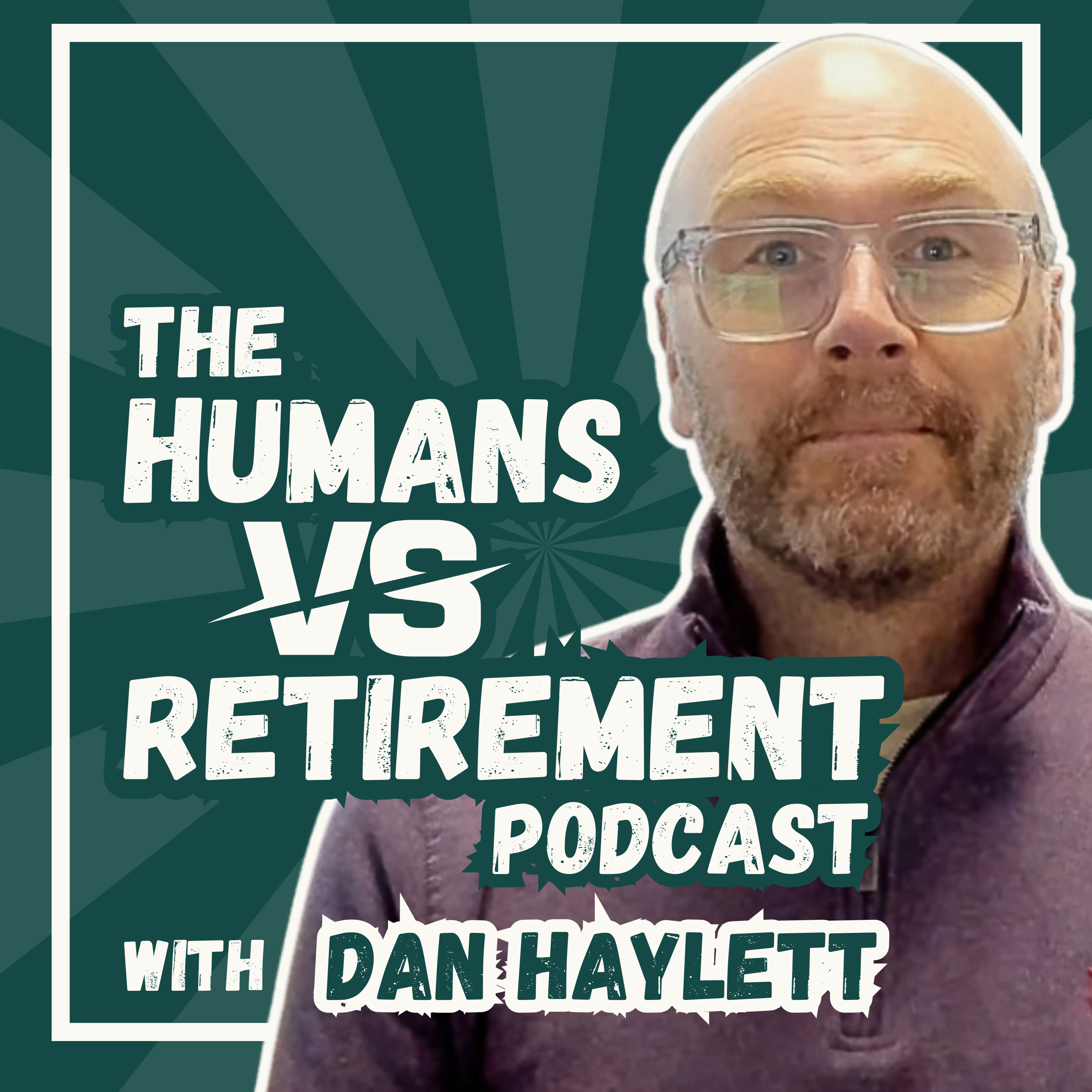
The Humans vs Retirement Podcast
Dan Haylett